

Packing a Moving Van: A Safer, Smarter Order

A move can go off course before the first box reaches your new home. Packing a moving van without a clear order can leave furniture scratched, boxes crushed and essential items buried at the back. A carefully loaded van protects your belongings, makes unloading faster and gives the driver a safer, more balanced load for the journey.
For moves in Calgary and surrounding Alberta communities, conditions matter too. A sudden change in weather, a long driveway, stairs or a tight loading area can all add pressure on moving day. The right loading plan keeps the job organised when conditions are less than ideal.
Start Packing a Moving Van Before Moving Day
The best place to start is not inside the van. It is with preparation in your home, flat or office. Sort belongings by room and make sure each box is properly closed, labelled and suitable for stacking. A loosely packed box may look fine in a hallway, but it can collapse once other items are secured around it.
Use small boxes for heavy belongings such as books, tools and dishes. Larger boxes are better for lighter items including bedding, pillows and lampshades. Keep box weights manageable. If one person cannot lift a box safely, it is too heavy for a standard carton.
Take apart furniture that is designed to be dismantled. Remove table legs where practical, empty drawers, and keep bolts and fittings in labelled bags taped to the relevant item. Wrap furniture in moving blankets or protective covers, paying close attention to corners, glass panels and finished wood. Mattresses should be covered to keep them clean during transport.
Set aside a separate essentials bag or box for the first night. Include medication, mobile phone chargers, toiletries, important paperwork, a change of clothes, basic tools and anything needed for children or pets. This should travel with you or be loaded last, so it comes out first.
Load Heavy Items First
The heaviest and largest pieces belong at the front of the van, closest to the cab. This usually includes appliances, wardrobes, sofas, bed frames, dining tables and solid storage units. Placing weight forward helps keep the vehicle balanced and reduces the risk of lighter belongings shifting or being crushed.
Load these items upright whenever their design allows it. Upright furniture generally uses the vehicle’s height more effectively and creates a firmer base. Protect each piece with blankets, then secure it using straps or tie-downs attached to suitable anchor points. Do not rely on boxes or loose furniture to hold heavy items in place.
Appliances need extra care. Washing machines, tumble dryers and fridges should be empty, clean and dry before the move. Secure doors and loose parts, but avoid using tape directly on delicate finishes. If a fridge has been transported on its side, check the manufacturer’s guidance before switching it on at the new property.
Pianos, hot tubs, large safes and other specialty items should not be treated like ordinary furniture. Their weight, shape and access requirements call for trained handling, appropriate equipment and a clear route plan. Trying to move them with unsuitable help can damage the item, the property or someone’s back.
Build a Stable Base With Boxes
Once the largest items are secure, fill the gaps with the heaviest boxes. Keep these low to the floor and distribute their weight across the van rather than building one tall, heavy stack on a single side. Books, kitchenware and files are useful for creating a stable base.
Place medium-weight boxes next, then lighter cartons on top. Aim for flat, level layers. If a stack leans while you are loading, it will be less stable after a few turns, bumps or stops on the road.
Avoid leaving open spaces between boxes and furniture. Those gaps allow belongings to move. Fill them with firmly packed boxes, rolled rugs, cushions, blankets or other soft items that will not be harmed by pressure. This is not about forcing every item into the van. It is about preventing movement without overloading or damaging fragile belongings.
Protect Fragile Items From Pressure and Movement
Fragile items need more than a box marked “fragile”. Plates should be wrapped individually and packed vertically in sturdy cartons. Glassware needs padding between each item, while mirrors, artwork and televisions should be protected with purpose-made boxes or heavy-duty padding where available.
Keep fragile boxes away from the bottom of tall stacks and never place them under furniture. Load them after the heavier items are secured, in spaces where they can stay upright and protected. Clearly labelled boxes help, but good placement is what prevents most damage.
Electronics deserve the same attention. If you still have the original packaging, use it. Otherwise, wrap screens carefully, remove loose cables and pack accessories together in labelled bags. Avoid placing televisions flat beneath other belongings. A screen may survive the trip better when upright, padded and secured against a solid surface.
Plants are another item that often needs a separate plan. They can tip, spill soil or suffer in extreme temperatures. For a short local move, keep small plants in open, stable crates and transport them in a personal vehicle if possible. Check any building rules or access restrictions before moving large plants through shared corridors or lifts.
Save Accessible Space for What Comes Out First
The last items loaded should be the first items you need at the new address. This may include cleaning supplies, bedding, basic kitchen items, a kettle, tools, mobile phone chargers and the essentials box. If you are moving an office, this could mean labelled boxes containing network equipment, key files or the supplies needed to get staff operational again.
Think about your unloading order before the van doors close. If the first room you want to set up is a bedroom, keep beds, bedding and bedside essentials accessible. If access at the destination is difficult, tell your moving team beforehand. A narrow stairway, limited parking or a lift booking can change the order that makes sense.
This is where a detailed plan can save time. A quick room-by-room inventory, clear labels and a note of priority items give everyone a better chance of putting belongings in the right place first time. It also reduces the number of boxes that need to be moved twice.
Do Not Overfill the Van
A full van is not always an efficiently packed van. Overfilling can make it difficult to secure the load, force fragile items under pressure and create a safety problem when the doors are opened. There should be no loose items near the rear door and no stack that could fall towards the person unloading.
Before departure, check every section of the load. Heavy furniture should be strapped down, stacks should feel stable and nothing should be able to slide into an empty space. Close and secure the doors only after this final check.
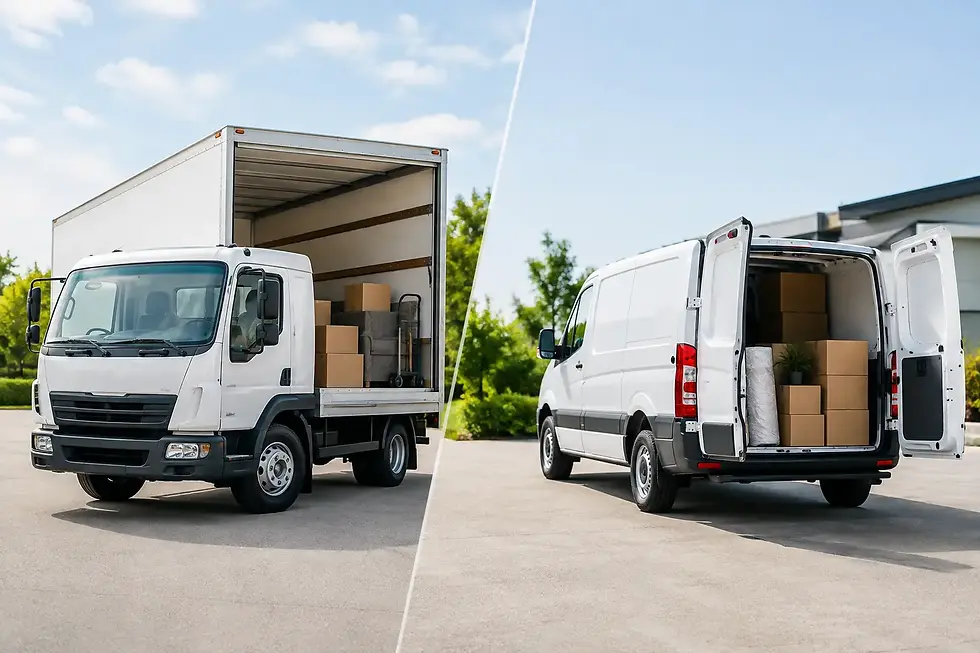
It is also worth being realistic about the size of vehicle required. A one-bedroom flat, a family home and a fully furnished office have very different volume and weight needs. Hiring a van that is too small may mean extra trips, rushed loading or unsafe packing. A vehicle that is too large can be less economical, but it may still be the better choice when the move includes bulky furniture, garage items or equipment.
When Professional Help Makes Sense
Many people can pack a few boxes and manage a small local move. The calculation changes when there are multiple bedrooms, valuable furniture, difficult access, heavy appliances or a fixed handover deadline. Professional movers bring the labour, protective materials, loading experience and equipment needed to handle the work safely.
For customers who are moving, downsizing or clearing a property, Boots That Moves can coordinate transport alongside junk removal and donation assistance for usable items. That can reduce the number of providers involved and help keep the property clear once the move is complete. Ask for a transparent quote based on the actual work, access, item list and distance involved.
A well-packed van is not about fitting every last item into a tight space. It is about giving your belongings a secure journey and giving yourself a calmer start at the other end.


Comments