

Interprovincial Moving Alberta Guide for Families

A move from Alberta to another province is not simply a longer local move. It can involve several days on the road, different building rules, changing insurance and registration requirements, and the pressure of arriving in a new place with your household still in transit. This interprovincial moving Alberta guide sets out the practical work that makes a cross-Canada move more predictable, from the first quote to your first week in your new home.
Start planning before you choose a moving date
Interprovincial moves have more moving parts than most people expect. A date that works for your lease or possession day may be difficult for a carrier during peak season, particularly from late spring through early autumn. Availability can also tighten around month-end, school holidays, and major long weekends.
Give yourself time to compare dates rather than fixing one immediately. Moving a few days earlier or later can make scheduling easier and may reduce costs. If you are selling a property in Alberta or waiting for keys in another province, allow a buffer for closing delays, cleaning, and access arrangements.
Your move plan should cover more than loading day. Think through when you need to leave Alberta, where you will stay if the delivery date is flexible, and what you will need if your belongings arrive after you do. Keep medication, identity documents, chargers, a few days of clothes, and key household items with you rather than putting them on the vehicle.
Get a detailed quote, not a loose estimate
Price matters, but clarity matters more when your belongings are travelling between provinces. Ask each mover how the price is calculated and what could change it. A reliable quote should explain whether charges are based on the shipment weight, volume, distance, labour, access, fuel, packing materials, storage, and delivery conditions.
Be upfront about anything that makes the job more involved. This includes flights of stairs, lift bookings, restricted loading zones, a long walk from the vehicle, bulky furniture, a piano, or a hot tub that needs separate handling. Surprises at either address can affect timing and cost, so they are best discussed before booking.
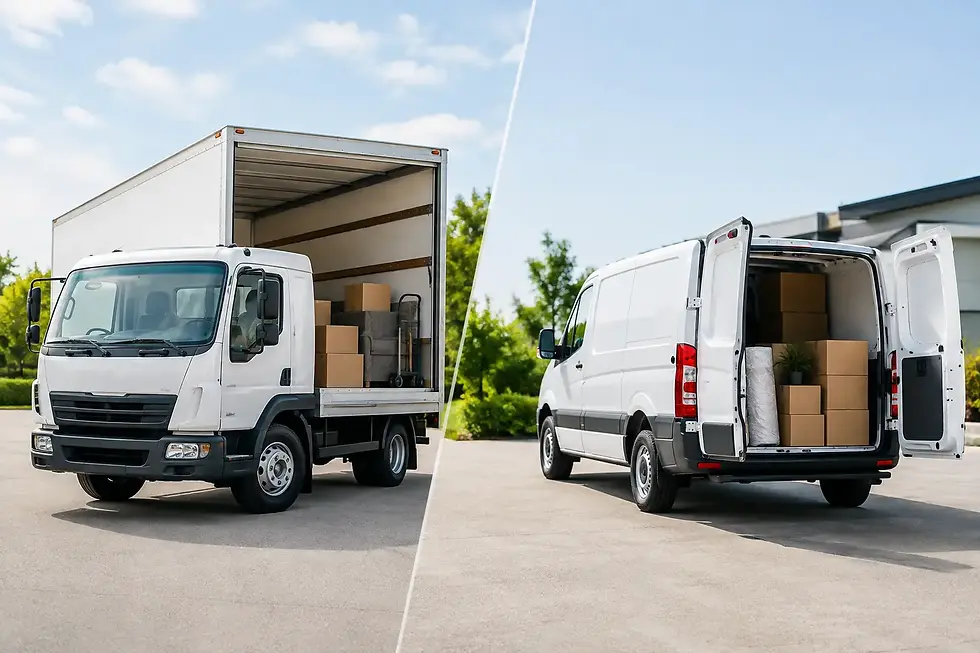
Also ask whether the move is direct or consolidated with other shipments. A consolidated move can be a sensible option for a smaller household and may cost less, but its collection and delivery window is usually wider. A dedicated vehicle provides more control over timing, although it may come at a higher price. Neither approach is automatically better. The right choice depends on your budget, how fixed your possession date is, and how much flexibility you have.
Before agreeing to anything, confirm the cancellation terms, payment schedule, insurance options, and process for reporting damage or missing items. Honest pricing means knowing what is included before move day, not trying to interpret a final invoice afterwards.
Sort before you pack
Every item you take across provincial borders takes space, labour, and time. Sorting early reduces the load and gives you better control of the final price. Start with storage rooms, garages, sheds, and cupboards where unused items tend to gather.
Separate belongings into items to keep, sell, donate, recycle, and dispose of. Good-quality furniture, clothing, and household goods may be useful to local charities, while broken or unsafe items are better directed to proper disposal. This is particularly helpful when you are downsizing or clearing a family property.
If you are leaving Calgary or the surrounding area, a local team such as Boots That Moves can assist with packing, bulky-item removal, and donation support before the main relocation. Handling the clear-out before collection day keeps the move focused on the belongings you genuinely want to take.
Be careful with restricted or difficult-to-transport items. Movers may not carry hazardous materials, including propane cylinders, fuel, paint, aerosols, chemicals, and some batteries. Ask in advance about plants, frozen food, alcohol, valuables, and sentimental items. If an item is irreplaceable, consider transporting it yourself where practical.
Pack for a longer journey
Packing for an interprovincial move is about protection as much as organisation. Boxes may be handled more than once, and the vehicle may travel through changing weather and road conditions. Use strong boxes, avoid overfilling them, and protect fragile items with appropriate wrapping and internal padding.
Label each box with its destination room and a short description of the contents. Add a clear note for boxes that should be opened first, such as kitchen basics, bedding, children’s essentials, or home-office equipment. A simple numbered inventory is worth the effort for a larger move. It gives you a way to check delivery and makes it easier to identify a missing carton quickly.
Take photographs of valuable furniture and electronics before packing. Record serial numbers where relevant. These steps are useful for your own records and can help if you need to make an insurance claim.
Do not underestimate the value of an essentials kit. Keep it in your car with paperwork, toiletries, basic tools, snacks, water, cleaning supplies, and bedding. If you are travelling with children or pets, pack familiar comfort items and anything needed for their first few days. Your household can settle more calmly when the basics are immediately available.
Prepare both properties for access
A smooth collection depends on the Alberta property being ready when the movers arrive. Reserve lifts where required, arrange parking, measure tight doorways, and make sure walkways are clear. In winter, shovel and grit paths, steps, and driveways. Safe access protects your belongings and the people handling them.
Do the same work at the destination. Contact the building manager or strata in advance if you are moving into a flat or condominium. Some buildings require proof of insurance, a booked lift, a refundable deposit, or delivery within set hours. Missing one of these requirements can create an expensive delay even when the moving vehicle arrives on time.
Check whether large pieces will fit before transport. Measure sofas, bed frames, appliances, stairwells, lifts, and entranceways. It is far easier to arrange disassembly at the origin than to discover a wardrobe cannot turn a corner at the new address.
Handle provincial changes in the right order
Your move affects more than your address. Once you establish residence in a new province, you may need to update your driving licence, vehicle registration, insurance, health coverage, school records, employer details, banking, and professional licences. Requirements differ by province, and some have specific time limits.
Begin with a folder for important records. Keep identification, tenancy or purchase documents, vehicle paperwork, insurance policies, vaccination records, prescriptions, pet records, and school documents together. Check the official requirements for your destination province before you travel, especially if you have a vehicle, children entering school, or ongoing healthcare needs.
For healthcare, understand how coverage transfers between provinces and whether you need proof of your moving date or new address. Refill prescriptions before leaving Alberta if you may not have a new doctor immediately. If you work remotely, confirm payroll, tax, and workplace insurance arrangements with your employer as well.
Build a realistic delivery plan
The delivery date is often a window rather than a single guaranteed hour, especially on a consolidated move. Make sure the mover has a current mobile phone number and a contact person who can make decisions at the destination. If you cannot be there, ask whether someone else may accept delivery and what authorisation is required.
Walk through the home before unloading begins. Check for pre-existing damage, protect floors where necessary, and decide where large furniture should go. Directing the crew room by room saves time and prevents heavy pieces being moved twice.
When the vehicle is unloaded, check items against your inventory before signing final paperwork. Note any visible concerns clearly and take photographs where needed. Most problems are easier to resolve when they are documented promptly and accurately.
Give yourself room to settle
The first evening in a new province does not need to be perfectly organised. Focus on making bedrooms, bathrooms, and the kitchen functional, then unpack the rest in stages. If you have arranged disposal or donation for items that no longer fit your new space, deal with them early rather than letting boxes and unwanted furniture take over the home.
A well-managed move is built on clear information, realistic timings, and the right help at each stage. Start early, ask direct questions, and keep the first few days simple - that is how a long-distance move begins to feel like a fresh start rather than a logistical scramble.


Comments