
How to Pack Fragile Items for a Safer Move

A wine glass rarely breaks because it was not labelled “fragile”. It breaks because it could move inside its box, because the box was too large, or because a heavy item was placed on top. Knowing how to pack fragile items is really about removing those risks before moving day - not simply adding more bubble wrap.
Whether you are moving from a flat, packing a family home, or clearing an office, careful preparation protects the things that are difficult or expensive to replace. It also makes loading and unloading safer for everyone. The aim is simple: each delicate item should be individually protected, packed tightly enough that it cannot shift, and placed in a box that can be carried without strain.
Start with the right packing materials
Good packing begins before the first item is wrapped. Reusing boxes can save money, but only if they are clean, dry and structurally sound. A softened box, torn corner or weak base is not suitable for dishes, glassware or electronics. When in doubt, use a new double-walled box for heavier fragile belongings.
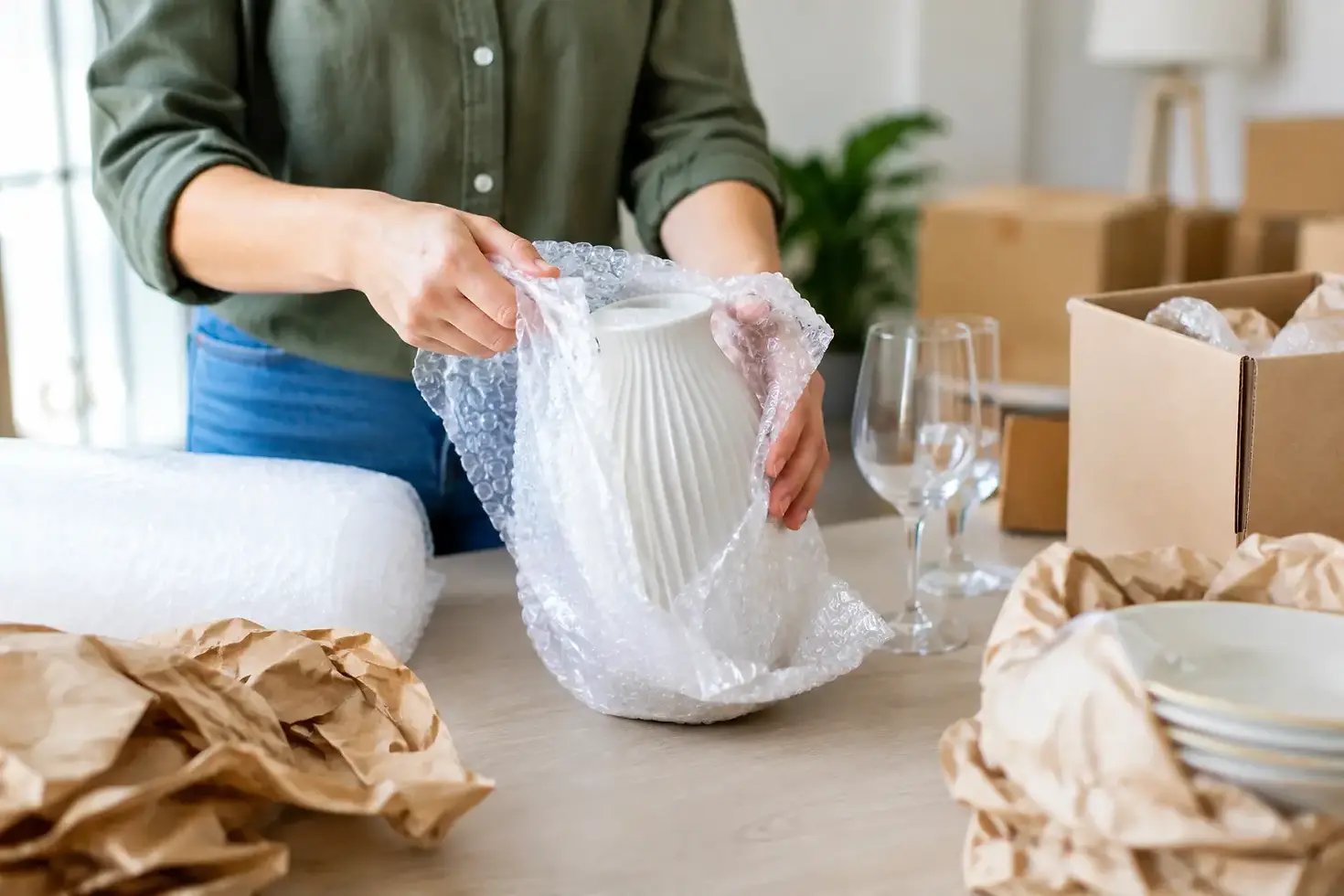
Gather materials based on what you are packing. Packing paper is useful for wrapping plates, glasses and ornaments without leaving residue. Bubble wrap offers more cushioning for awkward shapes, framed art and delicate electronics. Strong packing tape, marker pens and sturdy boxes are essential. You will also need soft towels, blankets or clean linen for larger items such as lamps, mirrors and pictures.
Avoid packing fragile belongings in rubbish bags. They provide almost no protection, encourage overfilling and can easily be mistaken for items to discard. If you are using household towels or bedding as padding, remember that these still need to fill gaps properly. A loosely packed box remains a risky box.
How to pack fragile items without leaving empty space
The most reliable method is to create protection in layers. Line the bottom of a box with crumpled packing paper, then wrap each item individually. Place heavier pieces at the bottom and lighter ones above them. Add more paper between layers and around the sides until there is no open space for contents to move.
A quick test helps: gently lift and tilt the sealed box. If you can hear or feel movement, reopen it and add padding. Do not solve the problem by forcing more items into the top. Pressure from above can crack glass and ceramics just as easily as a hard impact from the side.
Keep box weight sensible. A compact box of books may be manageable, but a large box full of china is not. Smaller boxes are generally safer for dense, breakable items because they are easier to lift steadily and less likely to collapse under their own weight.
Plates, bowls and serving dishes
Wrap plates one at a time in packing paper, then stand them upright in a box rather than laying them flat. Plates are stronger on their edges and less exposed to direct pressure this way. Put a layer of crumpled paper between each plate or bundle, and use a box sized for dishes rather than a large general-purpose carton.
Bowls can be nested if each one is wrapped first. Fill the centre of the smallest bowl with paper so the stack does not compress or rub together. For serving dishes with lids, wrap the lid separately and place it beside the dish, not on top of it.
Glasses, mugs and bottles
Start by stuffing the inside of each glass or mug with paper. Wrap the handle separately, then wrap the whole item from base to rim. Glasses should be placed upright where possible, with cushioning between every piece. A divided glassware box offers added protection, but it still needs padding at the base and top.
Bottles should be empty before packing. Wrap each bottle, place it upright in a small box and make sure the neck cannot knock against another bottle. If a bottle contains liquid that must travel, check that its cap is secure and use a leak-proof bag before wrapping it. It is usually better to transport valuable spirits or similar items yourself, subject to the rules of your move and the weather conditions.
Mirrors, artwork and framed photographs
Protect the glass first, then support the frame. Place masking tape across a mirror or frame in an X pattern to help hold glass together if it cracks. This does not prevent breakage, but it can reduce loose shards. Cover the surface with cardboard, wrap the entire piece in bubble wrap or a moving blanket, and secure it with tape around the padding rather than directly onto the frame.
Pack framed pieces vertically in a purpose-made picture box or between firm, padded items. Never lay a heavy box on top of a mirror or painting. Clearly mark both sides of the package so it is not handled as an ordinary carton.
Lamps, electronics and small valuables
Remove lamp shades, bulbs and detachable parts. Shades are best packed alone in a large box with light paper around them, as even gentle pressure can bend or split them. Wrap lamp bases in bubble wrap and keep cords secured so they cannot scratch surfaces.
For electronics, use the original packaging if you still have it. Otherwise, wrap the item in anti-static or soft protective material, cushion it in a close-fitting box and keep cables, remotes and screws in labelled bags. Take a photo of cable connections before disconnecting a television, monitor or home office equipment. It can save time when setting up at the other end.
Small valuables, documents, jewellery, medication and irreplaceable photographs should travel with you rather than in the removal lorry. Their value is not only financial, and keeping them close avoids unnecessary worry.
Label boxes clearly, but do not rely on labels alone
Write the room destination and a brief description on at least two sides of every box. “Kitchen - glasses” is more useful than “fragile” on its own. Add “this side up” where orientation matters, especially for glassware, lamps and electronics.
Labels help movers place cartons in the right room and flag the need for care, but they cannot make a poorly packed box safe. A carton should be able to withstand normal handling, stacking and transport before it ever receives a marker-pen warning.
If you have several fragile boxes, consider numbering them and keeping a simple inventory on your phone. This is particularly helpful for office moves, estate clear-outs and homes with collections of artwork or antiques. You can identify what has arrived and spot a missing box before unpacking becomes chaotic.
Plan for loading, transport and weather
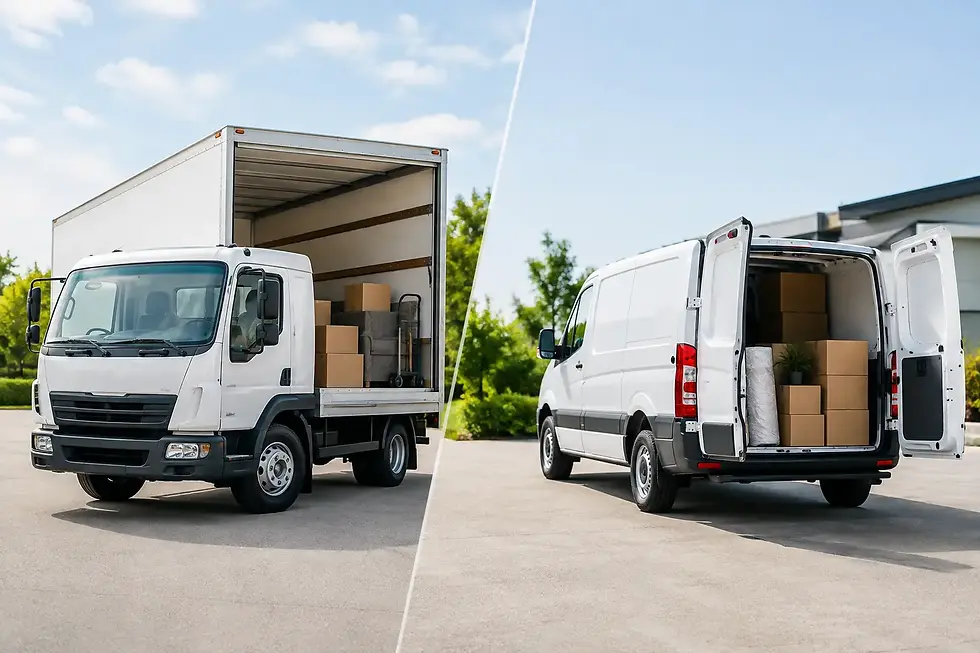
Packing is only half the job. Fragile boxes should be loaded on a flat, stable surface and secured so they cannot slide during braking or cornering. They should not sit beneath furniture, appliances or other heavy loads. Keep them upright when marked that way and avoid stacking them more than one or two boxes high unless the cartons are specifically designed for it.
In Alberta, changing temperatures and wet conditions can add another layer of risk. Moisture weakens cardboard and can damage artwork, paper records and electronics. Keep boxes dry while carrying them outside, and avoid leaving delicate belongings in a vehicle for longer than necessary during extreme cold or heat.
It also pays to prepare a clear path from the property to the vehicle. Remove loose rugs, open doors fully and make sure there is enough lighting around steps and entrances. A well-packed box can still be damaged if someone has to navigate a cluttered hallway with limited visibility.
Know when professional packing is worth it
Some items need more than careful wrapping. Large mirrors, valuable artwork, antiques, pianos, chandeliers and specialist office equipment may require custom crating, special lifting equipment or an experienced crew. The cost of professional packing depends on the volume and type of items, but it can be sensible protection where replacement or repair would be difficult.
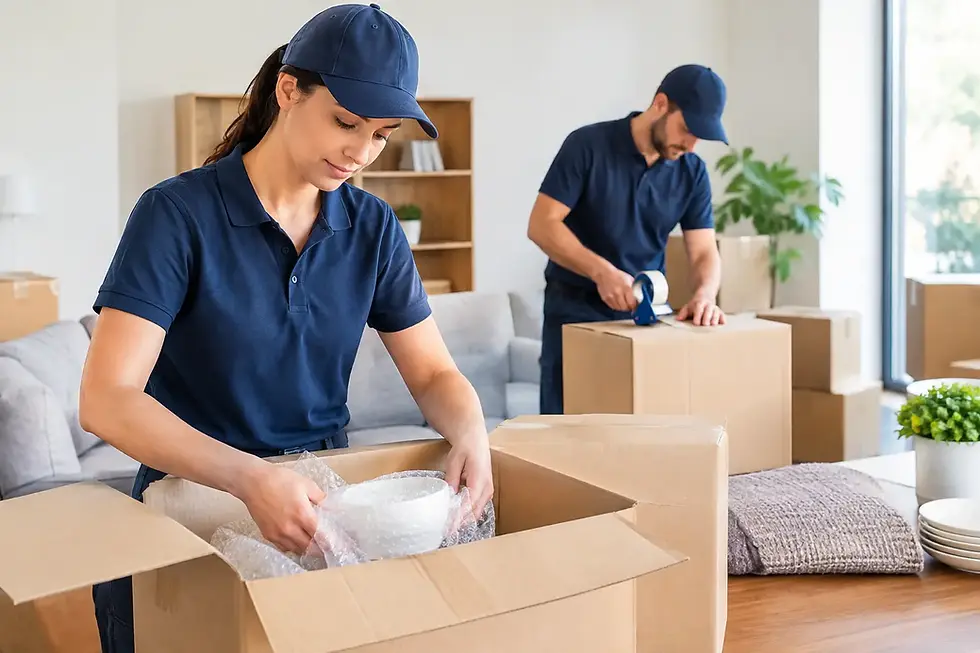
For Calgary-area moves, Boots That Moves can help with packing, careful transport and specialty-item handling, with clear quotes before work begins. Be upfront about unusually heavy, valuable or delicate belongings so the right equipment and time can be planned.
Before sealing the final box, pause for the tilt test. If nothing moves, the box is not overloaded and the label tells the handler exactly what it contains, your fragile belongings have the best possible start on moving day.

Comments